
Texas Evangelist Sparks Controversy with Dolly Parton Flag Incident
Key Takeaways
- Texas evangelist David Grisham reversed a flag honoring Dolly Parton.
- Grisham's actions are seen as a direct attack on the LGBTQ community.
- The incident raises questions about religious freedom versus hate speech.
- Southeast Asia's growing LGBTQ rights movements may be influenced by such incidents.
- Public reactions vary widely, reflecting diverse community sentiments.
Understanding the Incident
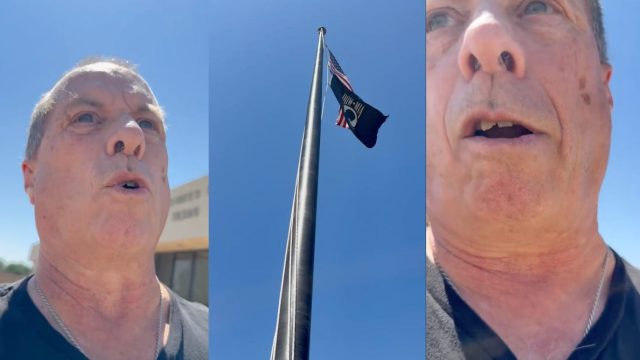
In a provocative display of anti-LGBTQ sentiment, David Grisham, a Texas evangelist, recently raised a flag that had been lowered in tribute to the iconic singer Dolly Parton. This act, carried out after the closure of a nearby post office, has ignited a firestorm of controversy not only in Texas but also across the nation. Grisham's motivations, which he openly discussed, label Parton as a "fake Christian," further intensifying the backlash against his actions.
The incident highlights a growing divide within American society regarding LGBTQ rights and acceptance. Grisham's choice to target Parton, a beloved figure often associated with inclusivity and philanthropy, illustrates the use of celebrity figures in cultural conflicts. Parton's reputation as a supporter of the LGBTQ community makes her a symbolic target in this narrative of division.
The Broader Implications
This incident is not merely a local issue; it resonates with global conversations about LGBTQ rights, particularly in regions like Southeast Asia. As countries in ASEAN grapple with their own cultural dynamics regarding LGBTQ rights, the messaging around Grisham's actions could ripple through these communities. In Indonesia, for example, where LGBTQ issues remain a contentious topic, this incident could embolden or discourage activists and advocates fighting for acceptance.
In a world where social media amplifies voices, incidents like Grisham's make waves that can reach far beyond their origins. The backlash against such anti-LGBTQ stunts underscores the necessity for ongoing dialogues about acceptance, tolerance, and the clash between religious beliefs and human rights.
Public Reaction
Public opinion on Grisham's actions is deeply polarized. Supporters of LGBTQ rights have erupted in condemnation, emphasizing that such stunts only serve to perpetuate harmful stereotypes and discrimination. Conversely, some conservative groups have rallied behind Grisham, viewing his actions as a defense of religious values.
The Role of Social Media
Social media platforms have played a crucial role in shaping the narrative surrounding this incident. Tweets, Facebook posts, and Instagram stories have flooded the online space, with many users expressing their outrage or support. The swift spread of information illustrates how digital channels can influence public sentiment and mobilize activism.
Legal and Social Ramifications
This event may also have legal implications, as it raises questions about freedom of speech versus the potential for hate speech. As communities mobilize to defend their rights, the legal frameworks governing such expressions will be scrutinized.
Looking Ahead
As more of these incidents surface, it is vital for communities, both in the U.S. and abroad, to engage in constructive dialogues. Only through understanding the perspectives of all parties involved can society move toward greater acceptance and harmony.
Conclusion
The actions of David Grisham have sparked a necessary conversation about the ongoing struggle for LGBTQ rights and acceptance. This incident serves as a reminder that while societal progress is made, significant opposition remains. It is crucial for advocates and allies to continue fighting for inclusivity in all walks of life. The dialogue surrounding this incident will undoubtedly continue to evolve, shaping the future of LGBTQ rights in America and beyond.
 Heartwarming Reunion: Man Find
 Innovative Housing Development
Start Your Day Right: Upliftin
Embracing Our Feline Overlords
Innovative Housing Development
Start Your Day Right: Upliftin
Embracing Our Feline Overlords