
Terra B1 Drone Set to Transform Defense Capabilities in Japan
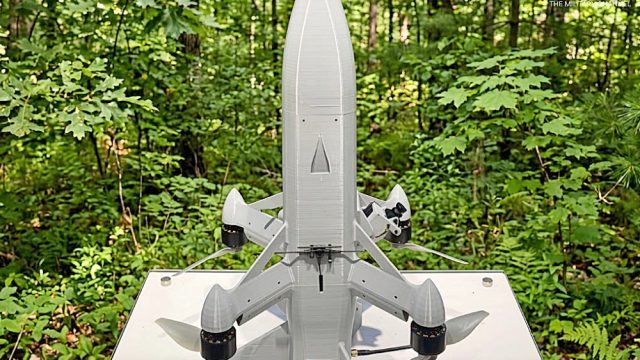
Key Takeaways
- Terra B1 drone has cleared crucial tests for Japan's defense sector.
- This drone enhances Japan's interception capabilities against aerial threats.
- The procurement program aims to boost national defense with advanced UAVs.
- Japan's Acquisition, Technology & Logistics Agency supports the initiative.
- Terra Drone sets a new standard in UAV technology for military applications.
Overview of Terra B1's Significance
In recent years, the global defense landscape has been reshaped by advancements in unmanned aerial vehicle (UAV) technology. One notable development is the Terra B1 interceptor drone from Terra Drone Corporation, which has recently passed crucial demonstration tests. This achievement is part of Japan’s Interceptor Drone Early Acquisition Program backed by the Acquisition, Technology & Logistics Agency (ATLA). With geopolitical tensions on the rise, the need for sophisticated defense mechanisms has never been more pressing, making this drone a timely innovation.
Key Features of the Terra B1 Drone
The Terra B1 is designed for rapid response to aerial threats, offering a range of features that enhance its operational effectiveness:
- Advanced Interception Capabilities: The drone is engineered to identify and neutralize potential threats efficiently.
- Cost-Effectiveness: Developed to operate within budget constraints without compromising technology.
- Adaptability: Suitable for various defense scenarios, allowing flexibility in deployment.
- Enhanced Surveillance: Equipped with state-of-the-art sensors for real-time intelligence gathering.
Why This Matters Now
As nations like Japan bolster their defense infrastructure in response to increasing asymmetric threats, the introduction of the Terra B1 drone signifies a shift towards more proactive defense strategies. Its successful testing phase indicates that Japan is committed to modernizing its defense technologies to address challenges posed by low-cost UAVs, such as the Shahed drones deployed in conflict zones.
The Future of UAVs in Japan
The success of the Terra B1 is set to influence Japan's defense procurement strategy moving forward. With a focus on enhancing capabilities through innovative technologies, it could lead to more investments in R&D within the UAV sector:
- Increased Collaboration: Partnerships between defense contractors and technology firms may grow.
- Investment in R&D: Expect a surge in funding towards advanced drone technologies.
- Southeast Asia Market Dynamics: The success of UAVs like the Terra B1 may inspire similar initiatives across the ASEAN region.
Insights from the Indonesian Market
Indonesia, a prominent player in Southeast Asia, is observing these advancements closely. The nation's focus on enhancing its defense capabilities aligns with emerging UAV technologies. As Indonesia develops its own drone programs, the implications of Japan's developments could resonate within its defense strategies, potentially leading to collaborations or technology transfers.
Conclusion
The Terra B1 interceptor drone represents a significant milestone for Japan's defense capabilities. As it progresses towards mass production, its implications for national security are profound. By adopting cutting-edge UAV technologies, Japan aims to secure its airspace against evolving threats, demonstrating a commitment to modernizing its defense infrastructure. This aligns with broader trends across Southeast Asia, where countries like Indonesia are also investing in advanced technologies to fortify their defense mechanisms. As we look ahead, the ripple effects of such innovations promise to shape the future of military engagements.
 Heartwarming Reunion: Man Find
 Innovative Housing Development
Start Your Day Right: Upliftin
Embracing Our Feline Overlords
Innovative Housing Development
Start Your Day Right: Upliftin
Embracing Our Feline Overlords