
US Military Takes Action Against Cartel Drones at Southern Border
Understanding the Situation
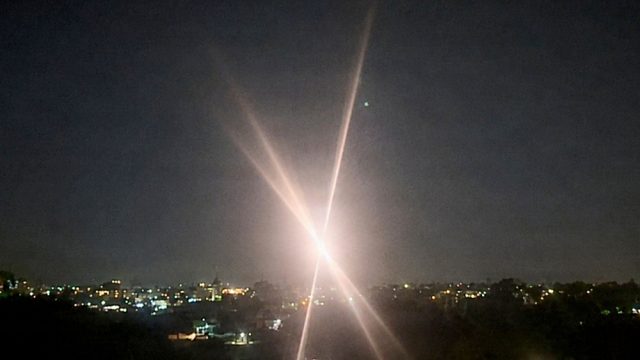
In recent operations, service members from Joint Task Force Southern Border have deployed cutting-edge technology to counteract threats posed by unmanned aircraft systems (UAS) associated with drug cartels. This intervention is not only a testament to the operational readiness of the military but also highlights the increasing challenges of drone usage in illegal activities.
The use of the Army Multipurpose High Energy Laser (HEL) system serves as an innovative response to the growing concern regarding aerial threats. Cartels have increasingly turned to drones for smuggling and reconnaissance, necessitating advanced countermeasures. The successful neutralization of three hostile drones last week underscores the military’s commitment to safeguarding US borders.
Key Takeaways
- The Army HEL system showcases advanced laser technology.
- Joint Task Force Southern Border is actively engaged in aerial threat management.
- Successful drone neutralizations indicate military readiness against cartels.
- Increased drone use in illegal activities poses significant challenges.
- The technology represents a shift in modern military defense strategies.
Military Readiness and Technological Advancements
The deployment of the Army HEL system illustrates a strategic shift in military readiness to tackle evolving threats. Traditional methods of intercepting aerial threats are becoming less effective as cartels adopt more sophisticated tactics. The HEL system not only offers a rapid response but also minimizes collateral damage compared to conventional munitions.
How the HEL System Works
The HEL system operates by emitting focused energy beams that can disable or destroy targets at the speed of light. This technology is crucial in dealing with small, agile drones that could evade traditional interception methods. The system's precision is particularly important in dense urban areas, where safety is paramount.
The Broader Implications for Southeast Asia and Indonesia
While the focus has been on the US Southern Border, the implications of such technologies extend to regions grappling with similar challenges, including Southeast Asia and the Indonesian market. Countries like Indonesia, with its extensive archipelagic geography, face issues of illegal drug trafficking where drones could be exploited similarly.
Addressing the Rising Threat of Drones in ASEAN
ASEAN nations must consider adopting advanced drone defense technologies to combat trafficking and enhance border security. The application of similar systems in key areas like Bali and Jakarta could significantly elevate defense capabilities against aerial threats.
Conclusion: The Future of Military Drone Defense
The recent actions taken by the US military demonstrate a proactive approach to an ever-evolving threat landscape. As cartels increasingly utilize drones, military forces worldwide will need to adapt by integrating more advanced technologies like the HEL system. The outcomes from these operations could serve as a blueprint for international allies facing similar challenges, reinforcing the importance of technological innovation in modern defense strategies.
 Emerging Trends in Drone Techn
Transforming Security Cameras
Brampton Venture Expo 2026 Rec
Alarming El Niño Strengthens,
Emerging Trends in Drone Techn
Transforming Security Cameras
Brampton Venture Expo 2026 Rec
Alarming El Niño Strengthens,