
Construction Industry Faces New Challenges Amid Economic Shifts
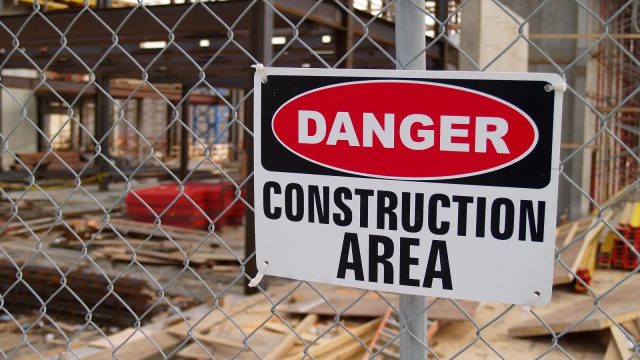
Understanding the Current Economic Landscape
The construction sector is experiencing a critical juncture as climbing interest rates and persistent inflation create a challenging environment. With a notable boom in data centers and infrastructure projects, many firms are finding it increasingly difficult to manage costs and maintain profitability. Understanding these economic shifts is crucial for stakeholders navigating the Indonesian market and the broader ASEAN region.
Key Takeaways
- Rising interest rates are influencing construction project financing.
- Inflation is pushing material costs higher, impacting budgets.
- Data center demand is high but tempered by economic uncertainties.
- Companies must be proactive in managing risk and project scopes.
- The Indonesian market is particularly affected by these economic factors.
Why This Matters Now
For construction companies, the current economic atmosphere signals not just challenges but also strategic opportunities. With inflation rates at a 40-year high in many regions, including Southeast Asia, construction firms must re-evaluate their financial strategies to mitigate risk effectively. Rising costs for materials mean that contractors need to quote more conservatively to safeguard against budget overruns, especially in bustling markets like Jakarta and Surabaya.
Inflation and Material Costs
Recently, the cost of essential construction materials such as steel and concrete has surged dramatically. For instance, a report from the Indonesian Construction Association highlighted that prices have surged by over 20% in the past year alone. This unprecedented rise forces construction companies to reassess their pricing structures and project timelines.
Interest Rates and Financing Challenges
The Bank of Indonesia has responded to inflationary pressures by increasing interest rates, which affects how construction firms finance their projects. As borrowing costs rise, many companies are faced with the dilemma of either accepting higher financing costs or scaling back on planned developments. This is particularly evident in the residential construction sector, where many potential buyers are now unable to afford homes due to rising mortgage rates.
Strategic Responses to Economic Pressures
In light of these challenges, construction firms must adopt innovative strategies to stay competitive in the marketplace. Here are some approaches companies can employ:
- Cost Management: Streamlining operations to decrease waste and optimize resource allocation will cushion against rising material costs.
- Supplier Relationships: Building solid relationships with suppliers can help secure better pricing and reduce delays.
- Risk Assessment: Conducting thorough risk assessments before project initiation will help in understanding potential pitfalls influenced by economic factors.
- New Markets Exploration: Diversifying services and exploring emerging markets in ASEAN can help tap into fresh revenue streams.
Investing in Technology
Moreover, technology adoption plays a crucial role in enhancing efficiency and reducing costs. Technologies like Building Information Modeling (BIM) and project management software can provide better insights into project management and help track expenses more effectively.
Conclusion
The construction industry is at a critical crossroads marked by economic fluctuations that pose significant challenges. However, by adapting to rising material costs and higher interest rates, companies can position themselves to thrive in an unpredictable market. As the Indonesian market continues to evolve, staying informed and proactive will be key to navigating these turbulent times successfully. Stakeholders must draw insights from current trends to develop robust strategies that secure their future in the construction sector.
 Exploring the Innovations in C
Major Moves Ahead of MLB Trade
Understanding the U.S. Interve
Introducing the Refreshing Lem
Exploring the Innovations in C
Major Moves Ahead of MLB Trade
Understanding the U.S. Interve
Introducing the Refreshing Lem